CHF 0.00 0

Panier

No products in the cart.

Why it's important

Living in our constantly evolving world generates, in many people, inner insecurity, fears, and even anxiety. Leaders find themselves needing to create a sense of reassurance, both within themselves and within their teams.

Organizations that strive to create a work environment imbued with trust perform better than others – and this type of organizational culture is taking on increasing significance in our modern economy, as explained by Simon Sinek in a TED talk.

According to Amy Edmondson, a Harvard professor, psychological safety and mutual trust are not just about kindness. It's about promoting sincere and constructive feedback, openly acknowledging one's own mistakes, cultivating a spirit of curiosity, and being willing to learn from others.

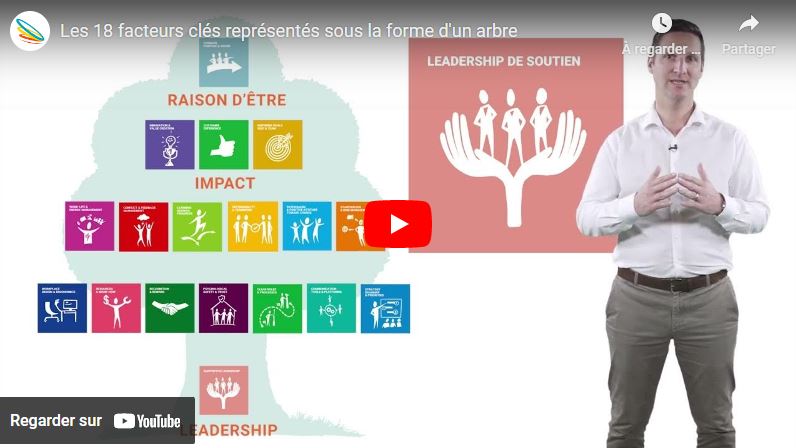
Some ideas for developing this dimension with your team

Things to do

  • Create a sense of security within your team, so that each person can express their thoughts, feelings, fears, doubts, and vulnerabilities… and feel confident enough to allow themselves to be taught by others.
  • Be honest and transparent in your communications. The more visibility your team has into the future, the better. Openness and frankness contribute to creating a climate of trust. Milestones, priorities, and opportunities will thus seem much more accessible.
  • Foster an inclusive and participatory approach to problem-solving and decision-making. Allow each team member to verbalize their ideas and participate in decisions in one way or another.
  • Encourage management to regularly contact teams. The idea is to initiate a dialogue about the organization's culture, openly and sincerely addressing the issue of trust. Management must be able to acknowledge its mistakes. Ask them to formally commit to all their stakeholders (including individuals).
  • Sincerely appreciate people and encourage them to show mutual respect. Leaders must regularly go into the field to check in with people, sense what concerns the team, and find out what they would like to see happen. In other words: show appreciation and openness, compliment individual efforts, and demonstrate how each person contributes to value creation.

What to avoid

  • Not being present, neglecting exchanges and/or maintaining emotional distance. Displaying coldness causes frustration, stress, and a blunting of motivation. In their book Primal Leadership, Daniel Goleman, Richard Boyatzis, and Annie McKee talk about dissonant leaders.
  • Sending discordant signals. This is one of the frequent causes of discomfort within a group. More precisely, ambivalent or contradictory messages generate cognitive dissonance. And this is never a good omen for the work atmosphere and motivation…
  • Dehumanizing people. By dint of talking about our workforce and/or our staff, some leaders sometimes forget a little that human beings are behind these appellations.
  • Creating a culture of denunciation where people accuse each other and point fingers at the mistakes of others. Encourage them instead to see «mistakes» as a source of learning and edification.
  • Applying infantilizing rules or methods, or intrusive ones. This would amount to introducing a parent-child type of communication. Team trust would suffer as a result.

Share this page

Let's talk together

Leave us your contact details and we will get back to you as soon as possible.