
CHF 0.00 0

Panier

No products in the cart.

Actitudes

Why it's important

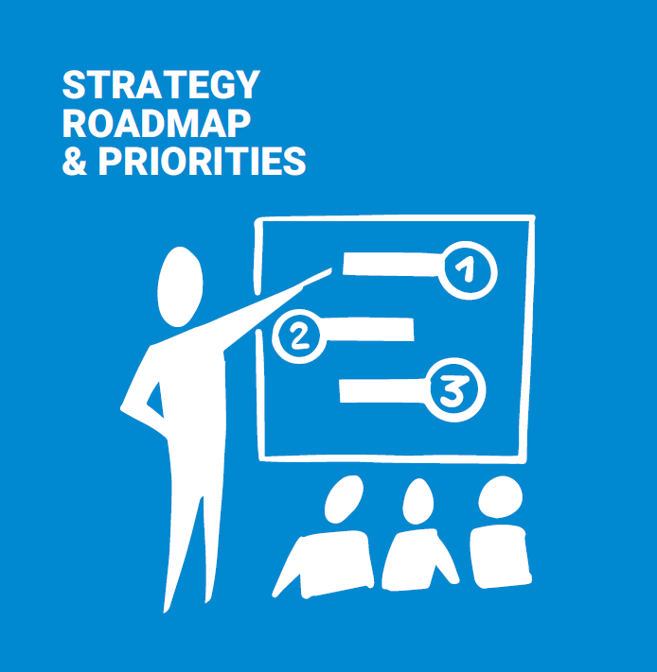
Your team needs resources and know-how to meet the challenges it faces. However, the advent of new information and communication technologies (NICTs) is disrupting all sectors of activity, forcing organizations to rapidly adapt their tools, skills, and knowledge. This digital transformation leads to abrupt changes (or disruptions), especially in data sharing and, more generally, in how teams and organizations cooperate. To collaborate more intelligently, we must follow the latest digital trends related to work.

These applications are part of an organization's resources, just like its workforce, equipment, or assets. Does your team have the tools it needs to accomplish its mission?

Some ideas for developing this dimension with your team

Things to do

  • Provide your team with sufficient resources and know-how. Ask them what they believe they need to fulfill their mission (tools, skills, etc.). Try to identify any potential gaps – ideally, before the group is formed or shortly thereafter. Consider bringing in other people, such as experienced consultants.
  • Allocate time and space for continuous learning, and create a culture that fosters it. Anticipate opportunities to advance your team and consider them a wise investment. Actively encourage individuals to master new skills (e.g., through special projects or new assignments) and ensure that this learning spreads throughout the organization.
  • Encourage a «scout mindset» that makes people want to test new technologies (hardware, digital platforms, etc.). Encourage people to follow the latest trends that could make their lives easier and see how this can improve their performance.
  • Use blended learning to maximize options. Combine work documents, courses, conferences, real-world observation, mentoring, coaching, etc. Exclude no one and no scenario. In-person learning allows for direct collaboration, while virtual tools offer more flexibility and the ability to learn at one's own pace. Find the right balance to achieve your goals.
  • Encourage people to produce and share specific know-how (and not just consume it). For example, ask them to contribute to conference content or organize a round table. Goal: increase their specialized knowledge and spread the habit of resource sharing.

What to avoid

  • Relying on a 100% capacity. This planning error can undermine your talent and create cases of overwork (or even burnout) among key personnel. No team can dedicate all its time to a single project. If it were to do so, it would most likely feel overloaded, risking missing certain deadlines. As a general rule, it is preferable to plan with an 80% capacity, in order to maintain some margin for meetings, emails, or any other parameter that reduces time spent on the project.
  • Tolerating a lack of agility (and other inefficiencies) in resource allocation. People are naturally reluctant to organizational design changes: they fear the impacts on themselves, their habits, or even their careers. However, this resistance is in itself a risk factor. Sometimes teams get stuck in obsolete practices or procedures. The versatility of our current environment (VUCA) requires us to demonstrate agility in resource allocation and to adopt emerging technologies as quickly as possible.
  • Only taking into account the skills a person needs for their role or function, instead of seeking to increase their employability. Human beings are inclined to learning, development, and improvement. Acquiring transferable skills makes them more resilient, more self-confident in the face of role or function changes. Therefore, do not focus too narrowly on the sectoral objectives of this or that project; remember that learning is inseparable from results.
  • Reducing the budget allocated to staff development. This would send a bad signal to the teams. Their morale, productivity, and performance would quickly suffer. Talent development must be considered a strategic investment – and not a cost. In the long term, stinginess in staff development risks proving costly: you would be obliged to seek skills outside the organization.
  • Making the acquisition of new skills an exclusively individual objective. An organization's performance relies largely on teams that know how to leverage their collective skills and abilities. Introducing individual development plans to cultivate talent is obviously not a bad thing. But it is good to consider broader plans to optimize overall performance.

Share this page

Explore our articles on this topic

Explore other factors

Let's talk together

Leave us your contact details and we will get back to you as soon as possible.