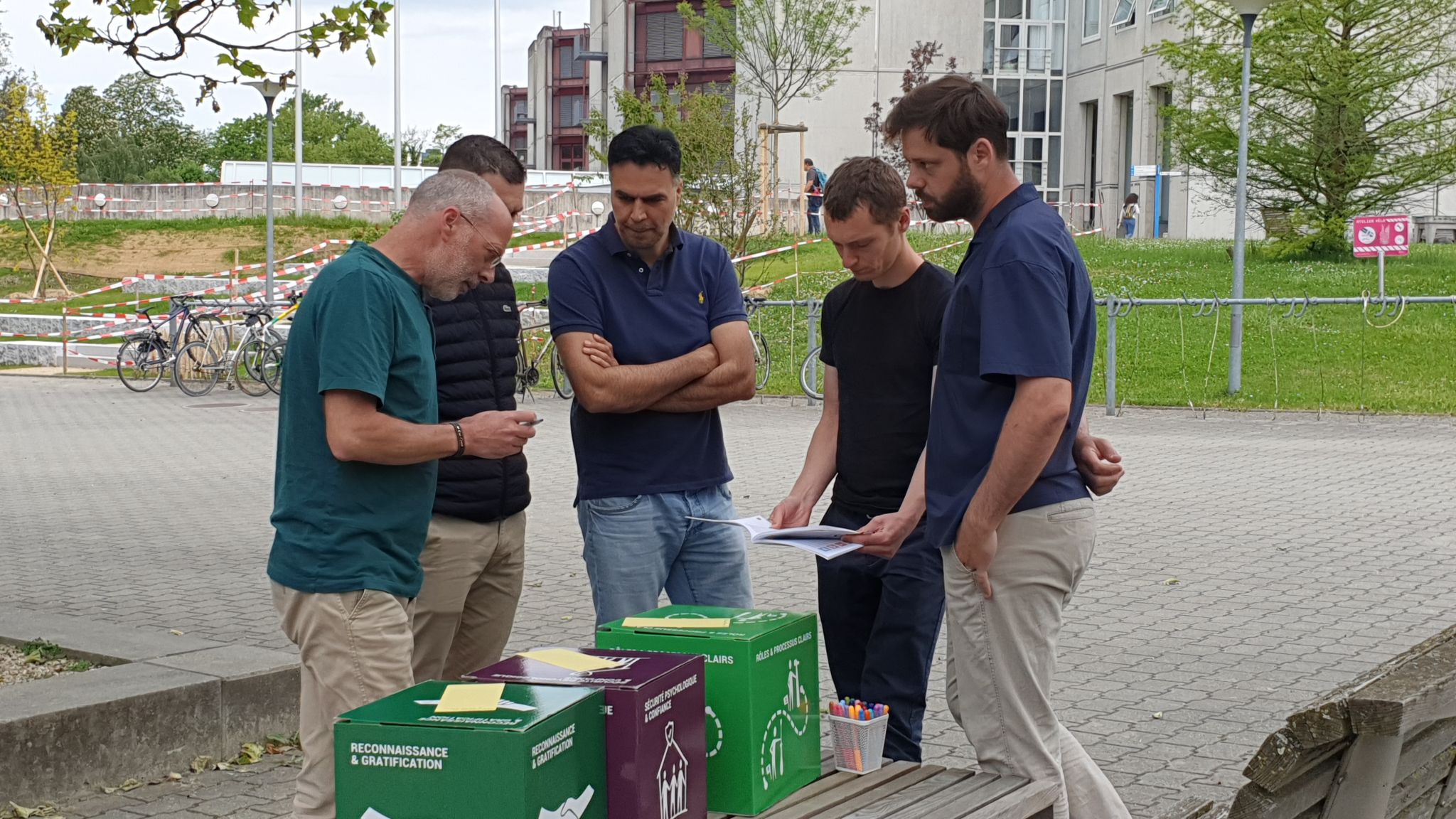
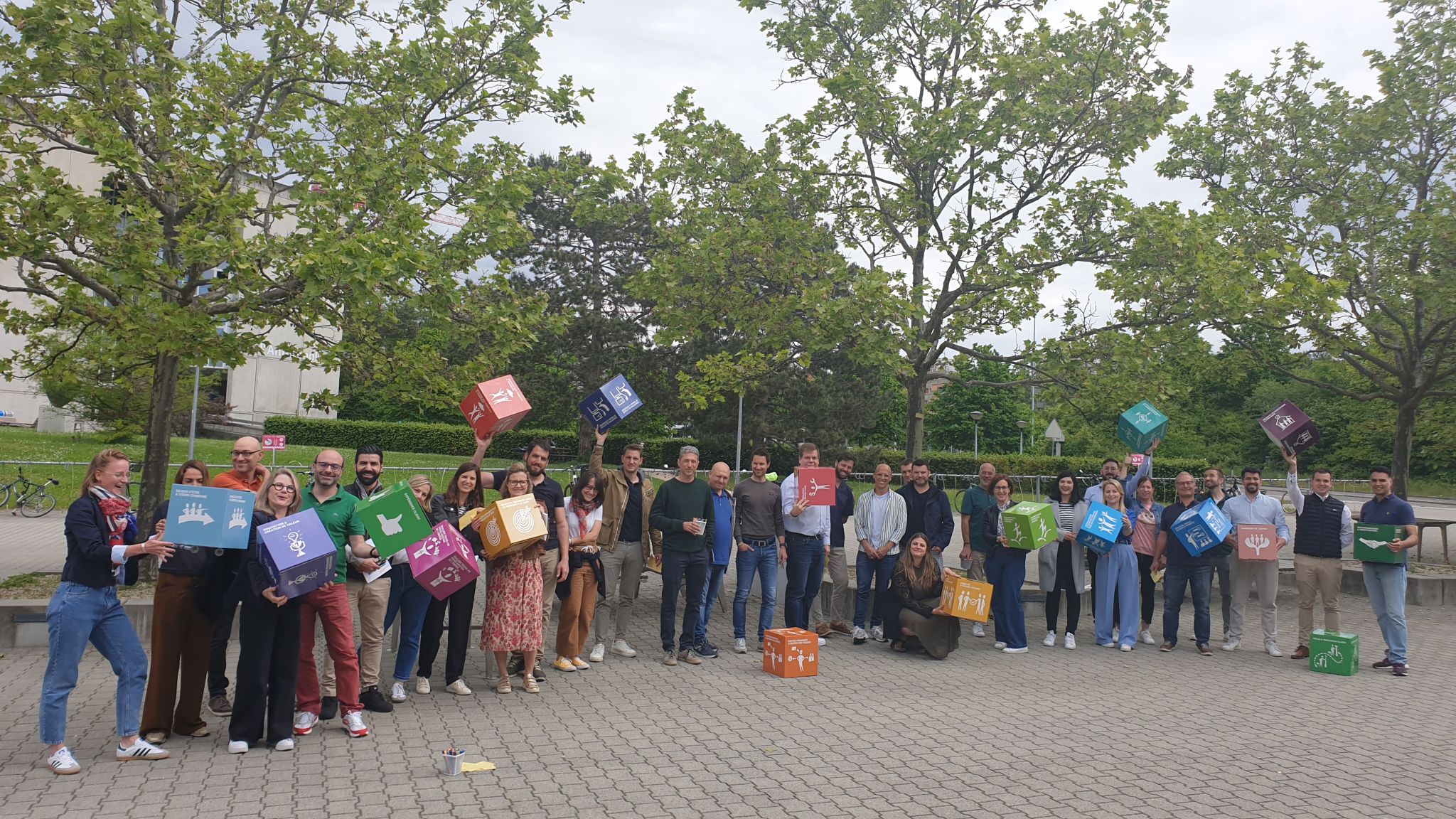
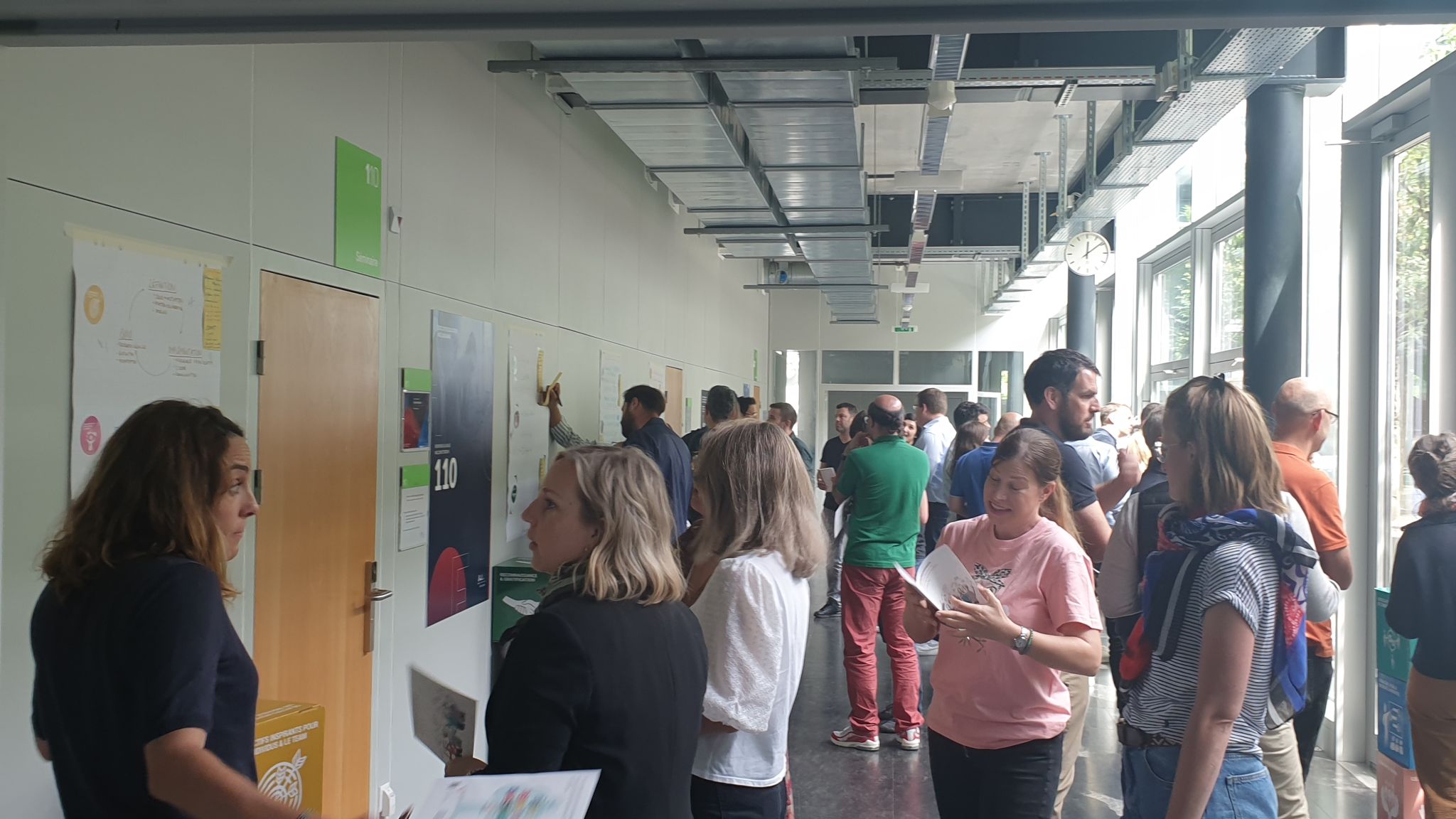
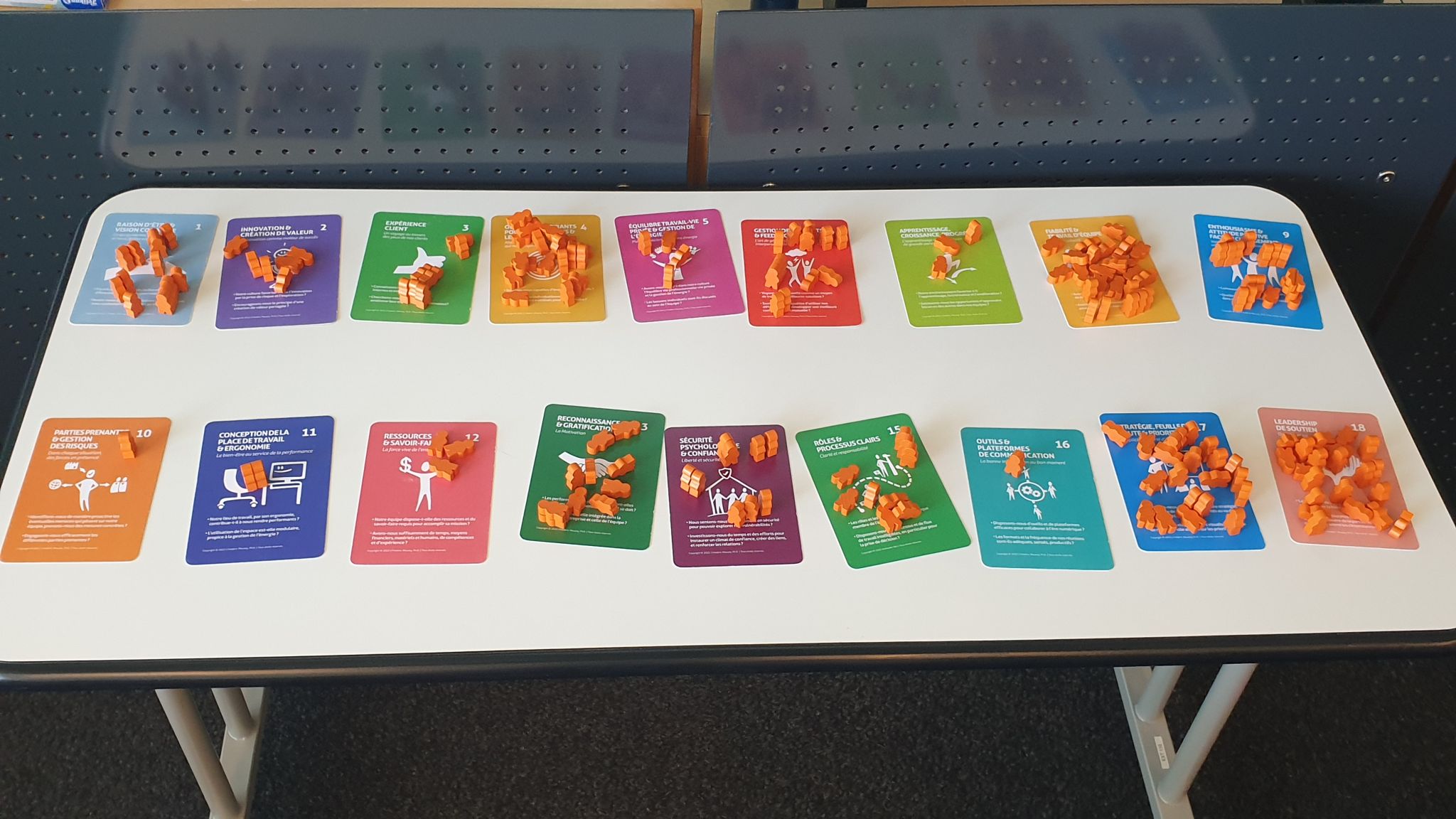
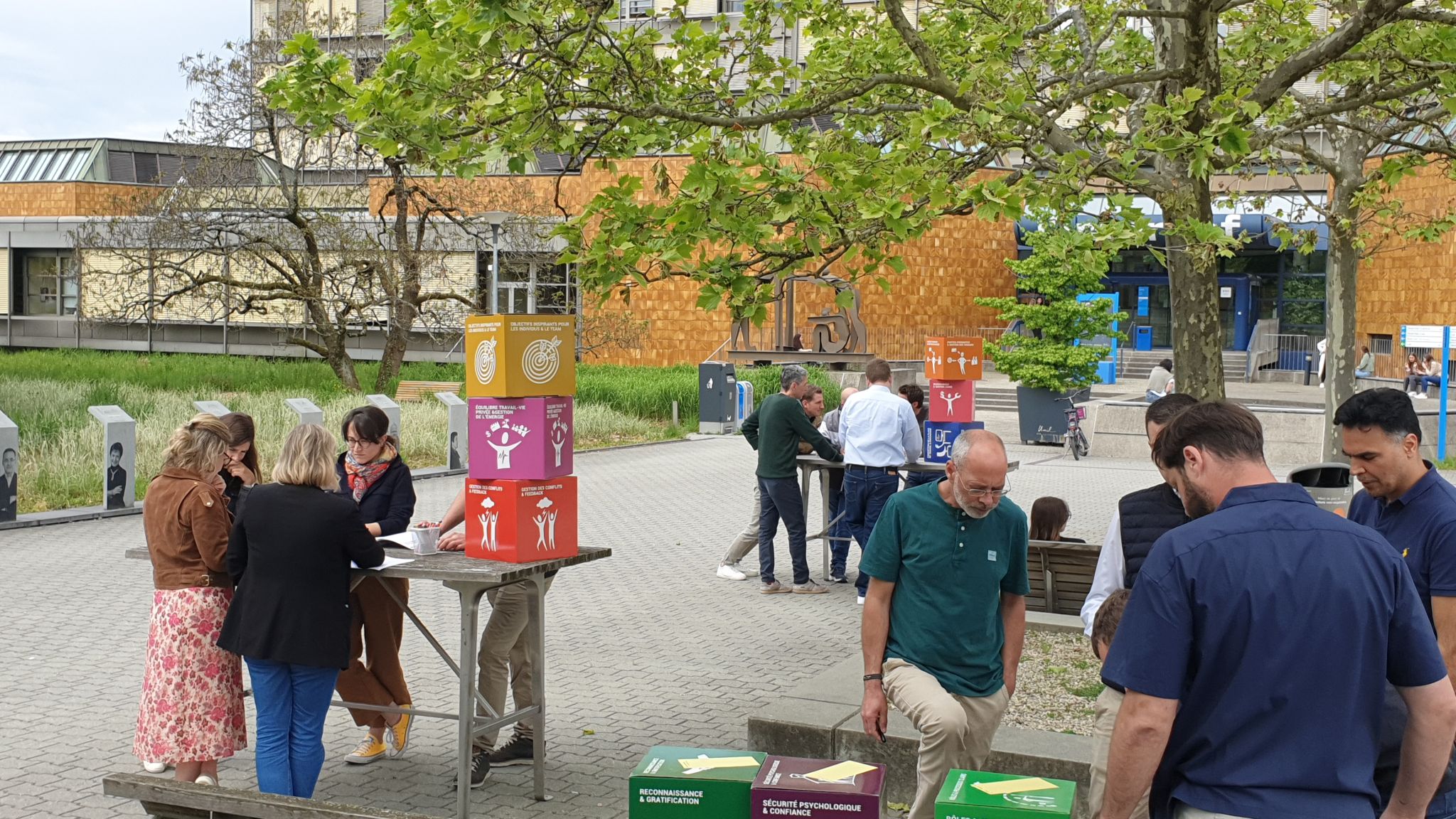
A TOP World Café with the participants of the CAS in Team Management from Executive Education HEC Lausanne and the 18 key factors for sustainable teams!
With this panel of leaders from various professional environments, it was enriching to discuss their challenges and to note that there are recurring themes that can be shared and enriched among > despite the differences in activity sectors and context.
To enable and structure the discussions, the sharing of challenges and ideas; Frederic Meuwly, in charge of the “team leadership” module, used the format of the “Word Café with the 18 key factors for sustainable teams”.
This facilitation structure allowed a large number of challenges and ideas to emerge for each of these 18 factors, while involving all participants as much as possible.
Here is a small excerpt of the key challenges for this group of leaders:
- Orient progress in line with the reality on the ground and the institution's vision. -> Factor #7: Learning, growth, and progress.
- Involve team members in creating the common vision. Factor #1 Purpose and common vision.
- Value initiatives to enable (factor #2) innovation and value creation.
- The importance of recognition and gratification -> factor #13.
- The importance of having a clear strategy, succeeding in gathering and gaining adherence to its strategy. This same strategy can become a recruitment argument and must be part of the onboarding process. -> Factor #17: Strategy, roadmap, and priorities.
- Succeed in creating a climate of trust -> Factor #18: Supportive leadership
With this same group, the idea of a: RESOURCE CENTER OF THE 18 FACTORS
The principle is simple: for each of the 18 factors, each leader was able to complete with ideas of practices that he or she already applies in their organization so that all other members of the group can be inspired by them and apply these practices within their respective organizations when applicable.
Within the framework of this resource center for sharing good practices, several practices were shared and exchanged around the Risk management, including, the “London protocol”, a systemic analysis of clinical incidents and many other practices for each key factor.
Well done to the group of leaders present for your commitment to this module!